
What You'll Find Here
This post may contain affiliate links. (full disclosure)
We’ve covered the plethora of things to do in Wellington and the epic day trips from Wellington that absolutely deserve a spot on your itinerary.
After a few days of museums and cable cars, now it’s time to meet the locals – the ones with fur, feathers, and fins!
Just beyond Wellington’s urban edge lies a different world – one of protected islands, rugged coastlines, and forest sanctuaries teeming with life.
In this post, we’ve curated the best wildlife encounters from Wellington, showing you exactly where to go for hands-on animal encounters and breathtaking wildlife spotting, all within a day’s journey.
Let’s get started!
1. Matiu/Somes Island
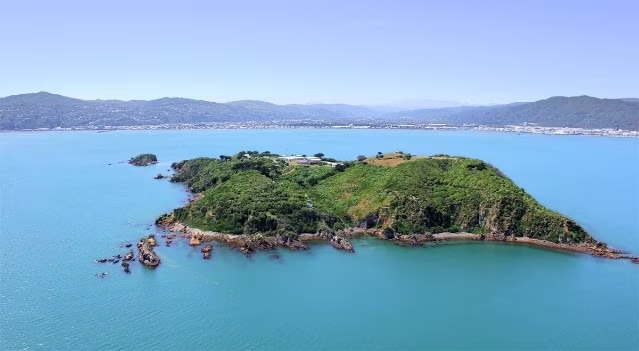
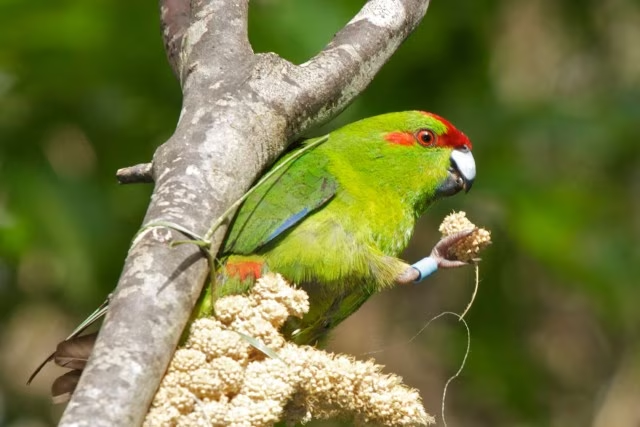
Matiu/Somes Island is a car-free sanctuary a short boat ride away from Wellington Harbour. The island itself is a controlled open sanctuary, rich in history and native birds like the rare takahē, the colourful kākāriki, and giant wētā.
On the island, the main attractions are the bunkers and tunnels to explore. Kids will love the ‘weta hotels’ – small wooden boxes where you might spot the resident giant insects.
The main loop to the summit and back is about 4km and takes most families a couple of hours with stops.
2. Zealandia Ecosanctuary
Nestled in a Wellington valley, Zealandia is a fully-fenced urban ecosanctuary where the dawn chorus of native birds feels a world away from the city.
You can walk the well-formed paths and spot flightless takahẽ grazing near the reservoir, hear the distinctive call of the saddleback, and watch the playful kākā swoop between trees.
Guided day walks and self-guided exploration offer chances to see tuatara sunning themselves on rocks and tiny fantails flitting through the undergrowth.
The sanctuary also offers a captivating after-dark tour to spot little spotted kiwi.
It’s best to allow at least 3 hours to explore the valley properly. The terrain involves some hills, but the paths are well- maintained and suitable for sturdy prams.
3. Karori Sanctuary Stream
Flowing just outside the fence of Zealandia, this public parkland offers a unique opportunity to experience the sanctuary’s conservation success for free.
The main attraction here is spotting the kākā that fly out from the sanctuary. These large, noisy native parrots are often seen and heard in the tall trees around the stream, especially near the picnic areas close to the Zealandia entrance.
It’s a perfect, low-commitment option for a quick nature fix. You can often see tūī and kererū here as well, all while enjoying a pleasant stroll along the streamside path without paying an entry fee.
The area is easily accessible with prams. For the best chance of seeing the kākā, visit in the late afternoon when they are most active.
Bring a picnic and let the kids play while you watch for flying visitors from the sanctuary.
4. Island Bay Marine Education Centre & Reserve
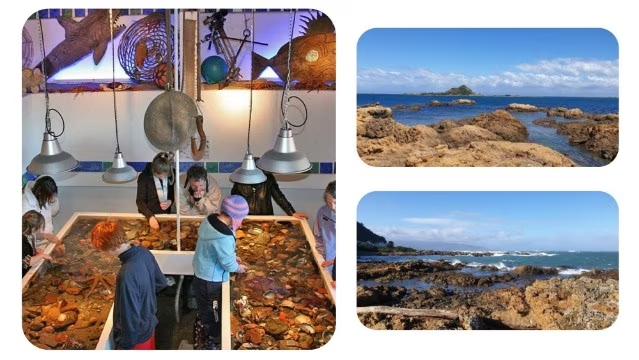
Overlooking rugged southern shores, Island Bay Education Centre introduces the Taputeranga Marine Reserve through interactive aquariums and seal-spotting trails.
The main attraction here is the touch pool. Children can peer at the kelp forests in the tanks, dip their hands into the pools, hold sea stars and observe the subtle movements of hermit crabs.
After the centre, follow the scenic walkway along the rocky coastline for a sweeping view stretching across the water to Taputeranga Island.
5. Staglands Wildlife Reserve & Café
Nestled in the Akatarawa Valley, Staglands is a hands-on wildlife experience where many of the birds and animals roam freely alongside visitors.
The main attraction here is the ability to interact with the animals. Children can feed the friendly eels by hand, purchase seed sticks to attract a flock of colourful parakeets, and walk through large aviaries and farmyard paddocks.
After exploring, the on-site Staglands Café offers a rustic stop. Set beside a tranquil stream, it’s the perfect place for a coffee while the kids play on the wooden bridges and in the old-fashioned tree house.

Skip The Line Entry Tickets
6. Nga Manu Nature Reserve
Set on the Kāpiti Coast near Waikanae, this 14-hectare sanctuary is a lush lowland forest of swamp, stream, and lagoon, offering a serene and accessible nature experience.
The main attraction here is the abundance of native birdlife in a natural setting. You can hand-feed the inquisitive eels that gather at the jetty, watch wood pigeons flit through the canopy, and listen for the distinctive call of the bellbird.
A highlight for children is the large, walk-through aviary, where you can find the vibrant parakeets up close. Nocturnal houses allow you to spot a kiwi and little blue penguins in a darkened, naturalistic environment.
It’s best to visit in the morning or late afternoon when the birdlife is most active, and don’t forget to bring cash for the eel food to make the most of the encounter.
Private Guided Kiwi Encounter in Nga Manu Reserve
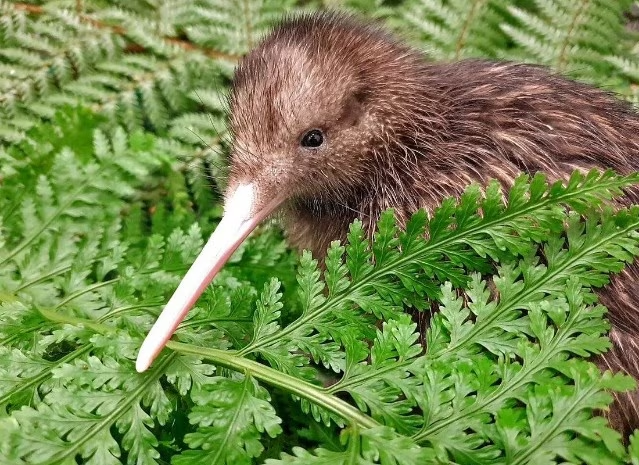
This kiwi tour is an incredibly intimate experience, in groups of up to 10 people, the experience offers you an up-close advantage of the ever-elusive kiwi in its natural habitat.
7. Pukaha Mount Bruce National Wildlife Centre
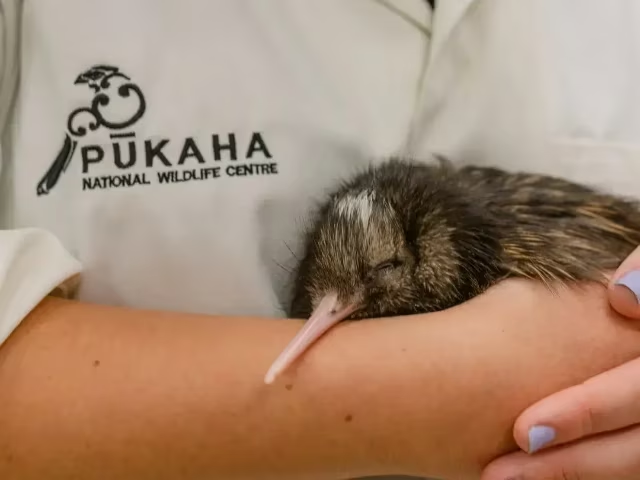
Located just over an hour’s drive north of Wellington, Pukaha Mount Bruce is a protected wildlife centre dedicated to breeding and recovering some of New Zealand’s most endangered species.
The main attraction here is the chance to see a live kiwi in the specially designed, darkened nocturnal house. Watching these iconic birds forage in a naturalistic setting is a magical experience for children and grow-ups.
At scheduled times each day, you can watch staff feed the giant eels and parrots, with rangers sharing fascinating insights about the animals.
The centre is fully accessible with paved paths, a modern café, and a large adventure playground, making it an easy and rewarding day trip for the whole family.
8. Red Rocks Seal Encounter
This dramatic coastal walk begins just a short drive from Wellington’s city centre, leading you into a landscape that feels a world away.
The track follows the rocky shoreline, where wind-sculpted cliffs and strange, rust-coloured rocks create a raw and powerful atmosphere.
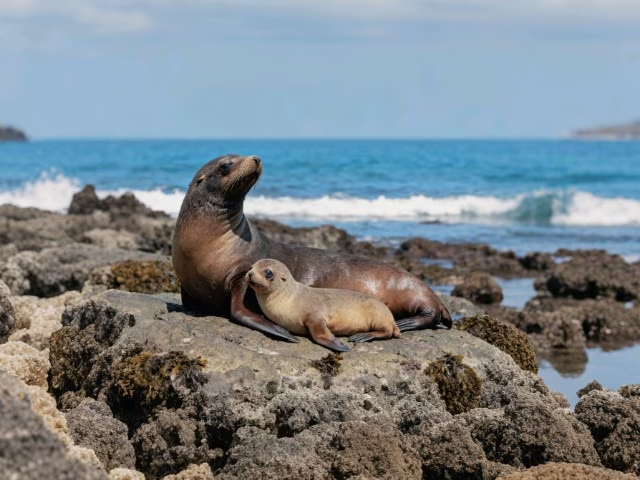
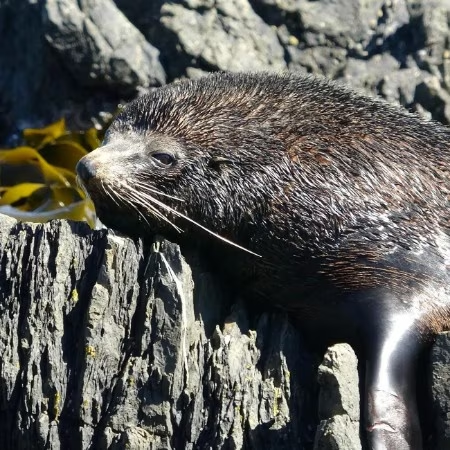
The main attraction, especially between May and October, is the colony of New Zealand fur seals. You’ll see them lounging on the rocks, playing in the tidal pools, and hear their distinctive barks echoing off the cliffs.
The walk to the seal colony and back is about a 3-4 hour round trip for families. The route is mostly flat and follows a 4WD road, making it suitable for sturdy prams and children who can manage the distance.
There are no facilities on the walk, so pack all your water, snacks, and weather protection – this coastline is famous for its strong winds and quickly changing conditions.
Seal Coast Safari
9. Cape Palliser Lighthouse
Venture to the very southern tip of the North Island for a day of dramatic landscapes and wildlife encounters.
The drive itself to Cape Palliser is part of the adventure, taking you through the remote and beautiful scenery of the eastern Wairarapa coast.
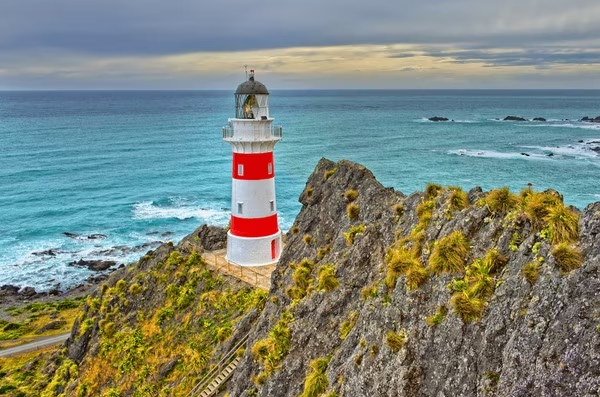
The main attractions here are the permanent fur seal colony and the iconic Cape Palliser Lighthouse. Hundreds of seals can be seen year-round, resting on the rocks and in the grasses just beside the road.
A climb up the 250 steps to the lighthouse is rewarded with breathtaking, wild views of the Pacific Ocean. Keep an eye out for the area’s unique colourful fishing boats (called “cray pots”) pulled up onto the beach.
This is a full-day trip from Wellington. The roads are sealed but winding, and services are limited, so fill your fuel tank and pack a picnic lunch.
The weather here is famously changeable, so come prepared with layers for wind, rain, or brilliant sunshine.
10. Pāuatahanui Wildlife Reserve
Located in the calm inlet of Pauatahanui, this fully-fenced reserve is a serene wetland sanctuary specifically designed for birdlife.
The main feature here is the network of gravel paths and wooden boardwalks that lead to viewing hides.
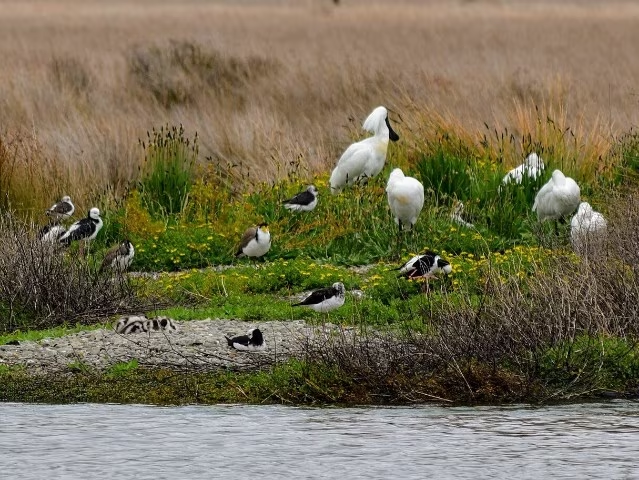
From these quiet shelters, you can spot royal spoonbills wading in the shallows, pūkeko stalking through the raupō, and the rare banded rail foraging at the water’s edge.
The best bird activity is often around high tide, when the water pushes the birds closer to the hides.
The entire loop is flat, short, and fully pram-friendly, making it one of the most accessible and peaceful wildlife walks in the region.
11. Wairarapa Moana Wetlands
Just a short drive from Featherston, Wairarapa Moana is one of New Zealand’s largest wetland complexes and a site of international significance.
This is a place of vast, open landscapes where the sky seems to stretch on forever, offering a serene and deeply calming experience.
The main attraction is the network of walking tracks and boardwalks that let you venture right into the heart of the wetlands.
The Pūkaha/Mount Bruce to Wairarapa Moana Wetlands cycle trail is perfect for families, offering flat, easy riding with interpretive panels explaining the rich birdlife and cultural history of the area.
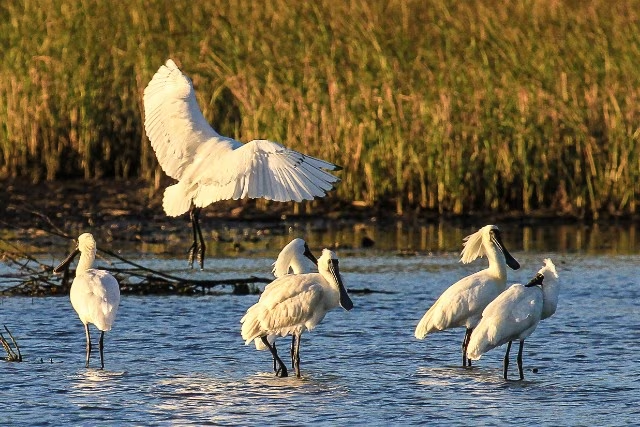
Birdwatchers will be in their element here. The wetlands are a crucial habitat for countless native and migratory birds, including royal spoonbills, white herons, and swans.
The best times for bird activity are early morning or late afternoon. Bring your binoculars, a camera, and a sense of quiet wonder.
Western Lake Road, Wairarapa
Stretching between the vast waters of Lake Wairarapa and the wild coast of Lake Onoke, this scenic drive offers a uniquely remote wildlife spectacle from the comfort of your car.
The main attraction here is the sheer scale of birdlife. You’ll see massive, shifting flocks of black swans and Canada geese gathered on the water and surrounding farmland.
The area feels wonderfully isolated, a world away from the city bustle. There are limited formal walking tracks, but plenty of safe places to pull over, watch the birds, and soak in the immense, quiet landscape.

If this post has helped you, a cup of coffee is all it takes to make my day. Thanks a latte!
12. Catchpool Valley, Rimutaka Forest Park
Just 45 minutes from the city, Catchpool Valley offers an accessible gateway into the lush Rimutaka Forest Park, where native birdlife thrives in the rich, green canopy.
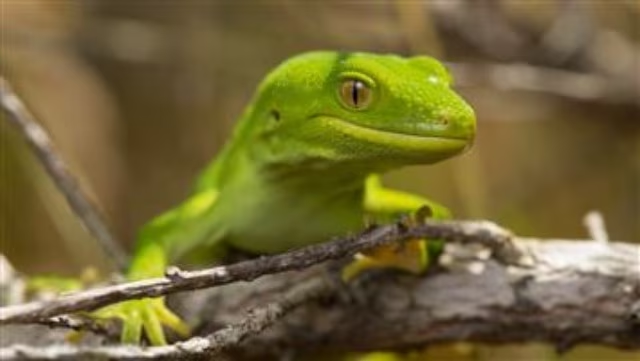
On the quieter paths beyond the popular picnic area, you have a strong chance of spotting the vibrant green parakeets and the friendly, curious South Island robins.
The well-maintained paths, like the gentle Catchpool Loop Track, are suitable for most ages and for sturdy prams.
The area combines an easy, family-friendly outdoor experience with the thrill of encountering wild forest birds up close.
The robins are often most curious in the early morning or on quieter weekdays.
13. Battle Hill Farm Forest Park
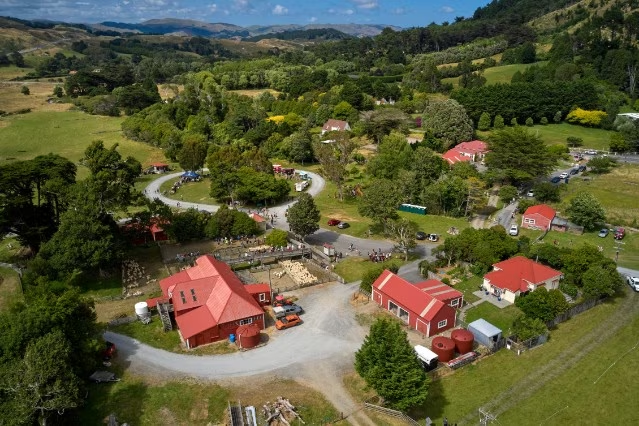
Blending farmyard fun with native bush, Battle Hill offers a diverse outdoor experience just 45 minutes from Wellington.
The main attraction is the combination of friendly farm animals and wild native birdlife. Kids can meet the resident sheep and cattle in the paddocks, then explore the forest walking tracks where you’re likely to see tūī, kererū, and pīwakawaka.
The park’s well-formed tracks are mostly flat and suitable for prams and little walkers.
Historical sites, including Māori pa sites and early European farm remains, add an educational element to the visit.
14. Turakirae Head Scientific Reserve
For a truly wild and elemental experience, Turakirae Head offers one of the most dramatic coastal landscapes and significant seal colonies near Wellington.
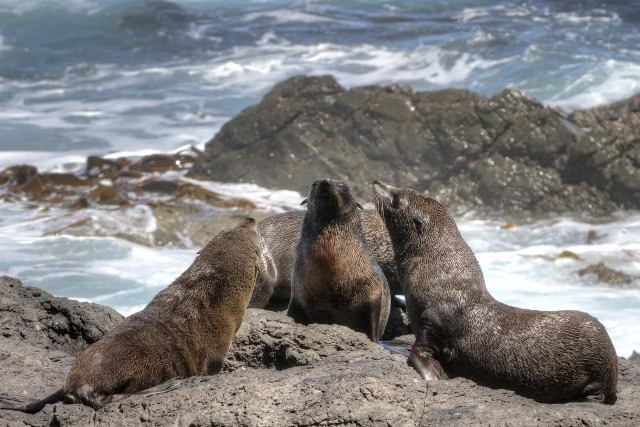
The main attraction is the massive New Zealand fur seal colony that lives here year-round. You can observe hundreds of seals – from massive males to playful pups – from a safe distance on the rocky shore.
The landscape itself is a spectacle, with a series of ancient beaches raised high by earthquakes over thousands of years.
This is a remote-feeling adventure that requires planning. The rough 4WD road to the seal colony is best walked, and the weather can change rapidly.
Check tide times and DOC warnings before visiting.
Last Notes
Wellington’s true gift isn’t just its vibrant city life, but this incredible access to the wild.
In a single day, you can go from a city flat white to sharing a beach with a seal colony.
These places offer something precious for every kind of traveller: the chance to step into a different rhythm, to slow down, and to simply see what you might find.
It’s not about a guaranteed spectacle, but the quiet thrill of the search itself – the shared hope of spotting a kākā in the treetops or a seal on the rocks.
So pack your sense of adventure (and a warm jacket), and let Wellington’s incredible landscapes become your family’s playground.
Browse the North Island by Region




Share the Love!
As always, we aim to provide valuable content to help other families like yours live life to the fullest.
Remember to like, pin and share it with those who matter to you!
If you resonate with us, subscribe to stay in touch and we hope to see you in another chapter.
∞ Kida