
What You'll Find Here
This post may contain affiliate links. (full disclosure)
Fiji, often called the happiest place on Earth, is a destination where tropical air, genuine smiles, and the unhurried pace of island life instantly wash away any lingering stress. As you arrive, you leave behind the chaos of everyday life and slip effortlessly into ‘island time.’
For our family, Fiji serves as a sanctuary to escape the winter chill back home in Australia and New Zealand. Coincidentally, this is also the best time to visit this tropical paradise.
This was our 6th time here, and it felt like coming home.
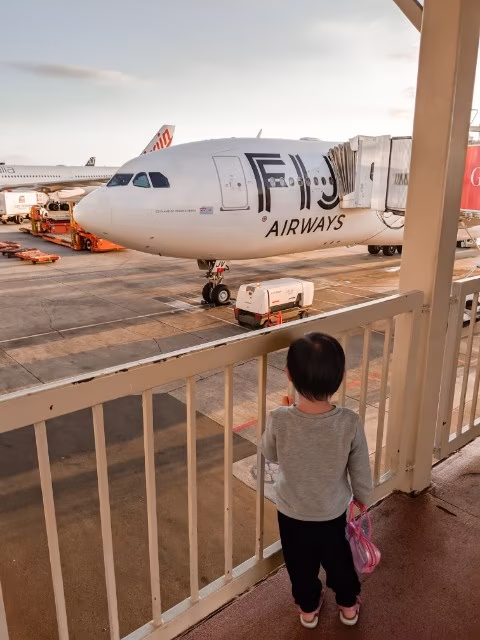
The tropical air of the Pacific washed over us the moment we landed at the Nadi Airport, and the sweet, dainty sounds of the ukulele brought us the warmest welcomes.
Instantly, we fell in love with Fiji all over again.
In this Fiji travel guide series, we’ll share all the essential information you’ll need to know before visiting Fiji, including:
- Best time to visit Fiji
- Visa requirements
- Currency information
- Getting around Fiji islands
- Which island to choose
- Fiji accommodation guide on where to stay
- Top things to do in Fiji
- What to pack for tropical vacations
- Travel tips and more

About Fiji
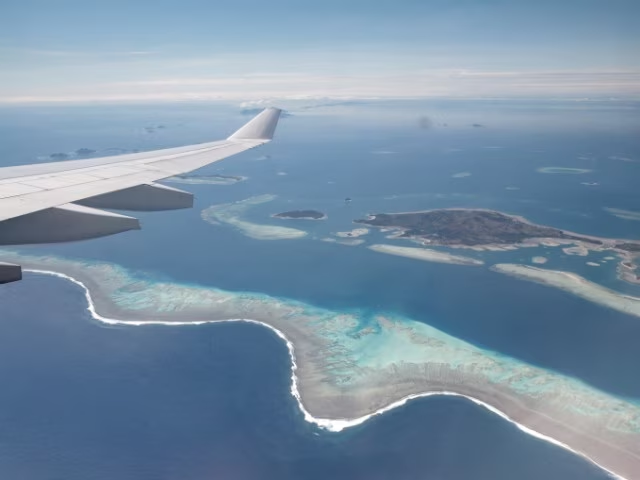
Fiji is an archipelago of over 330 islands, of which about 110 are permanently inhabited.
While Suva is the capital and largest city, most tourists flock to Nadi, the gateway to Fiji, and the stunning outer islands for their holidays.
Fiji is a diverse and multicultural country, home to indigenous Fijians, Indo-Fijians, and other ethnic groups.
Known for its warmth, safety, and hospitality, it’s a popular destination for families, solo travellers, couples, and groups of friends.
The Fijian lifestyle is famously laid-back – so much so that it’s rather rude to bring our urban-rush to the Fijian islands. So relax, slow down, and enjoy island time.
Locals are generally very positive, friendly, and respectful.
Religion plays a significant role in Fijian life, with Sunday traditionally reserved for church and rest.
While it’s perfectly fine to wear bikinis and beachwear in tourist areas, it’s recommended to bring at least one set of conservative clothing covering your shoulders and knees when visiting local villages or towns.

Flights to Fiji
From New Zealand to Fiji, direct flights are only about 3 hours.
Australia takes a little longer. From Australia to Fiji, flights are usually under 4 hours with Fiji Airways and 5 hours coming back.
Many airlines fly to Fiji, most of our experiences are with Fiji Airways, Air New Zealand and Virgin Australia. All of these airlines offer tourist-friendly arrival and departure times. Flights are short and comfortable, noting food and snacks are not included in the basic economic package, so prepare some snacks.
When is the best time to visit Fiji?
Like many other pacific islands, Fiji is a tropical island with warm weather all year round.
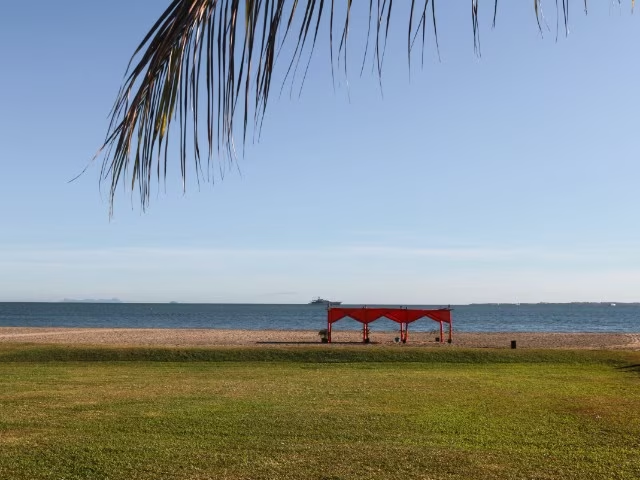
Late June – September is the peak tourism season.
The weather is dry, hot and sunny most of the time.
Accommodation and expenses are at their highest.
A flood of tourists, mainly from New Zealand and Australia, crowd over popular resorts.
If you want to experience the most vibrant time of Nadi and meet other tourists on the islands, June to September is the best time to go.
October is the shoulder season
Accommodation is slightly cheaper.
The weather in October is still fairly hot and dry, with fewer tourists.
It’s also the best season to go for tropical fruits. There will be an abundance of ripened local-grown fruits, like coconut, watermelon, pineapple, papaya, mango and banana.
Seriously, they’re so sweet and affordable. Fruits in Fiji are like nowhere else!
It was a real treat for us to have fruit bowls for breakfast and lunch during our time in Fiji.
Late November – Early May are the ‘wet’ seasons
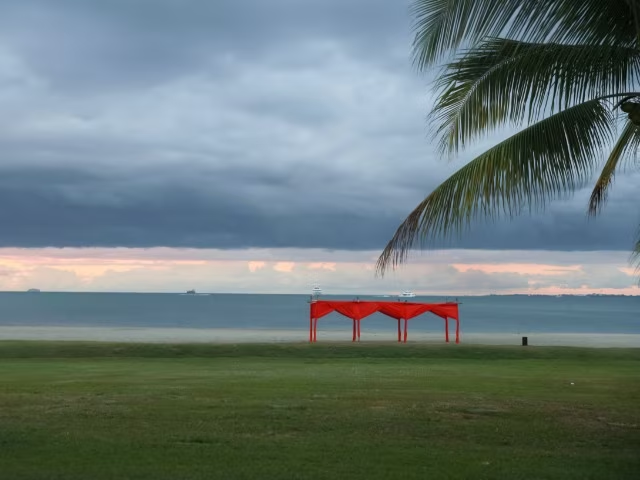
This is when you may catch tropical storms in Fiji.
However, towards the end of the wet season (April), there are less rain and tourists, which make up for the occasional cloudy days.
We had a chat with a local taxi driver just recently about the ‘cyclone’ season. He said many people come to Fiji during Christmas and New Years holidays, and they haven’t had rain over Christmas for many years.
Visa Requirement
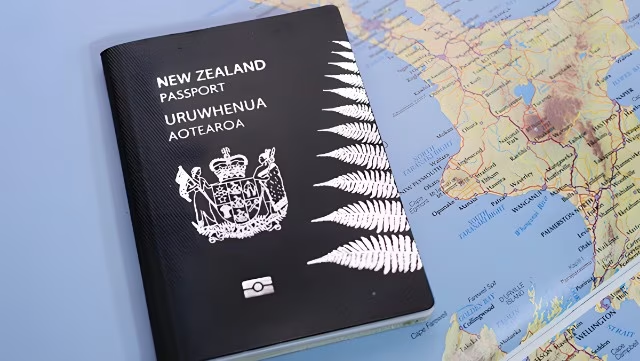
Most countries are exempt from obtaining a visa when visiting. The only requirement is to hold a passport that’s valid for at least 6 months, and your stay is no longer than 4 months. You can find a list of exempted countries and other visa information from their official website here.
Packing Essentials
Depending on the type of holiday you have in mind, packing can be quite simple. Our family always advises packing light, especially travelling to a tropical island. You don’t really need a lot to enjoy a holiday in Fiji.
What should I pack for Fiji?
Below is a list of our recommended packing essentials for a family trip to Nadi and the surrounding islands.
Sunscreen, Sunglasses & Hat – UV here is fierce, slap on sunscreen or expect to be toasted within half an hour!
Mosquito Repellent – Bring a roll-on or cream-based insect repellent, or buy one in the local shop.
Camera, GoPro & Drone – Fiji islands are postcardesque, so bring your camera gear.
Sarongs & 3 sets of Swimwear – There are many local markets and souvenir shops to get Fijian sarongs & swimwear, but if you prefer your own, bring them from home.
Snorkel & Scuba Diving Gear – Although you can hire these gear from most resorts, you may want to bring your own for comfort and convenience.
Flip Flop – One pair of flip flops is all you need here, really. We didn’t even need shoes for most of the days on the islands.
Clothing – Light, summer clothing would do. If you plan to visit the village or wander in town, bring a set of clothes covering your shoulders and knees.
Currency
The official currency in Fiji is the Fijian dollar.
While most hotels and resorts accept credit cards, there is a surcharge.
Exchange some Fijian dollars before your trip as small local shops only accept cash.
Should I tip in Fiji?
Tipping is not required nor expected here. However, we always encounter genuine, kind locals who go above and beyond to help us.
If you get a chance to meet some of the locals and learn about their stories, you may feel obliged to help them out as we did.
Our hourly wage in Australia is often equivalent to a Fijian’s week worth of labour. Locals will greatly appreciate your generosity.
Common Phrases in Fiji
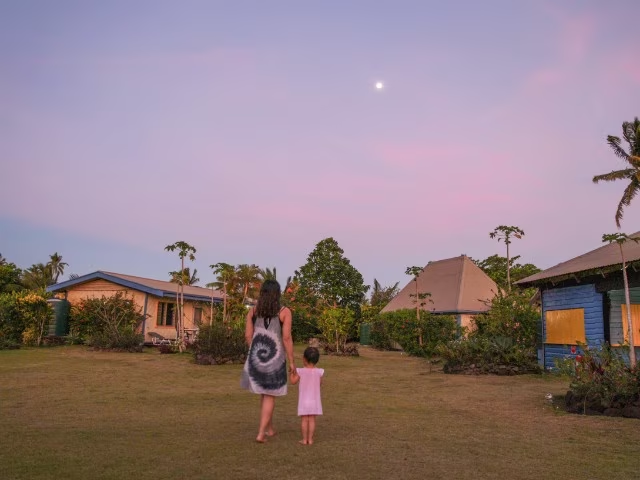
As foreign visitors, we found the 2 words we use most frequently during our trips were Bula and Vinaka. You will hear them many times a day, so these 2 words will naturally become a part of your vocabulary. The rest are good to know.
- Bula – Hello
- Vinaka – Thank You
- Tagane – Men
- Marama – Woman
- Niu – Coconut
- Levu – Big
- Lailai – Small
Adapt to Fiji Time
Fiji runs in Fiji Time, meaning everything slows down from the usual hustle and bustle. No one is in a hurry to go anywhere or do anything, so put away your phone and live in the moment.
If you are making appointments with local services, don’t expect them to turn up on the dot. You can, however, expect a happy face when they do eventually turn up.
Set your expectations right, and you will have a great time here.
Attractions & Activities in Fiji
Whatever it is that attracts you to Fiji, the islands offer such a diverse range of activities that everyone can find their own little piece of paradise here.
Top 10 Things To Do in Fiji
- Experience Fijian culture: fire dance, kava ceremony etc
- Explore Denarau island & Marina
- Go on a day trip cruise
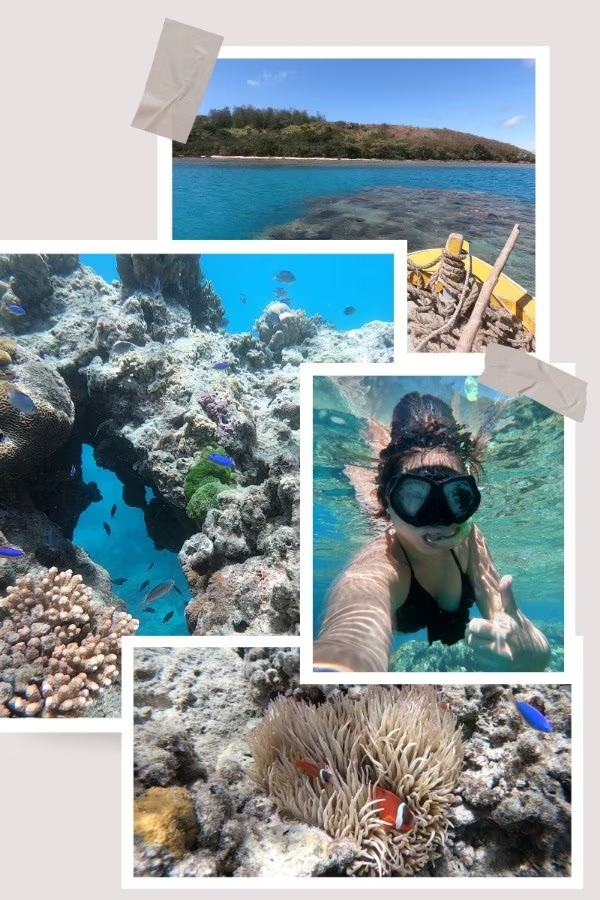
- Snorkelling
- Island-hopping
- Sunbathing on a white sandy beach
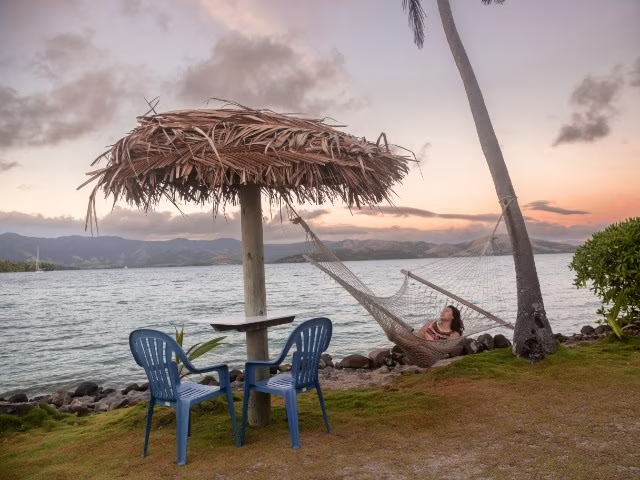
- Daydreaming on a hammock
- Local food: fresh seafood, seasonal fruits etc
- Laze in the resort pool
- Take a cooking class
You can browse through a list of the highlights of Fiji here.
Where To Stay in Fiji
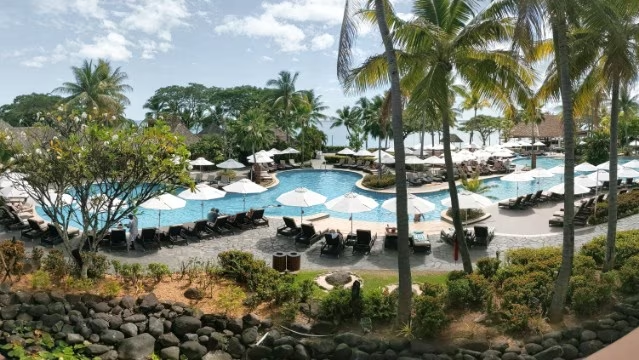
Most of the accommodations in Fiji are resorts. There are Nadi hotels and budget lodges close to the airport or town centre for convenience.
There is a string of luxurious 5-star resorts on Denarau Island for those seeking a little pampering.
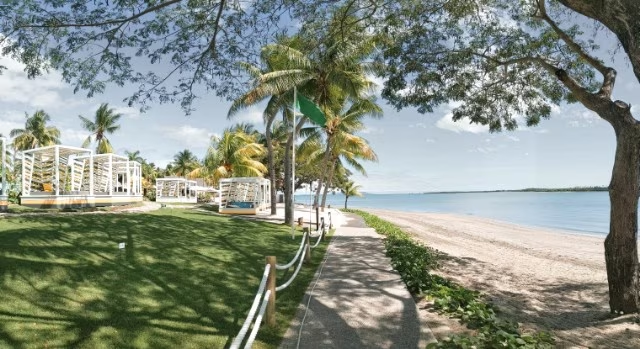
Most island resorts in Fiji provide non-motorised water sports free of charge, whether they’re backpacker bures, bungalows or high-end luxury resorts. So no matter what type of accommodation you’re looking for, there is something for everyone.
Find Your Perfect Stay
After being in Fiji 5 times, we have experienced quite a few types of accommodation.
In our post on where to stay in Fiji, we will share our stays and reviews on some of the Fiji accommodations in detail.
Share the Love!
As always, we aim to provide valuable content to help other families like yours live life to the fullest.
Remember to like, pin and share it with those who matter to you!
If you resonate with us, subscribe to stay in touch and we hope to see you in another chapter.
∞ Kida