

What You'll Find Here
This post is intended for general information only. Please do not take it as professional medical advice, diagnosis, or treatment.
This post may contain affiliate links. (full disclosure)
Bringing a new life into the world is nothing short of miraculous, but it’s also physically demanding. If you’re reading this, chances are you’re all too familiar with postpartum upper back pain.
We understand that motherhood leaves little room for self-care. If you’ve found yourself wincing when getting out of bed or dreading the moment you have to pick up your baby, you’re not alone.
While it’s easy to dismiss the discomfort and push on for the family, it can significantly impact your body in the coming months and even years.
In this post, we’ll share 20+ proven and effective natural remedies for postpartum upper back pain, along with tips to minimise discomfort while handling your little one.
We’ll focus on simple, yet effective solutions designed to fit seamlessly into your busy life, allowing you to concentrate on what truly matters – your family.
5 Common Causes of Postpartum Back Pain
If you’re a new mum grappling with postpartum upper back pain, you’re probably wondering, “Why is this happening to me?” Well, you’re not alone, and the reasons are more common than you might think.
While pregnancy and childbirth are the most obvious culprits, there are other factors that contribute to this discomfort. Here’s a breakdown of some common causes:
1. The Hormone Factor
Firstly, let’s talk about relaxin. This hormone is your body’s way of preparing for childbirth by loosening up ligaments and joints. Great for childbirth, not so great for your back.
The downside is that this hormone doesn’t just target the pelvic area; it affects your entire skeletal structure, including your back.
2. The Weight of Motherhood
During pregnancy, you gain weight – that’s a given. But what you might not realise is how this extra weight alters your posture.
After your bundle of joy arrives, you’ll find yourself in all sorts of positions – feeding, changing, bathing, and of course, cuddling. On top of that, you may still need to cook, clean and work.
All these activities require you to bend or hunch, putting your back muscles under a lot of stress.

3. Core Concerns
Your core muscles play a vital role in supporting your spine. During pregnancy, these muscles can weaken, forcing your back to compensate. This imbalance often leads to—you guessed it—upper back pain.
4. Overdoing It
In the excitement and exhaustion of new motherhood, it’s easy to overuse your back muscles.
Whether it’s lifting your baby multiple times a day or carrying a nappy bag that’s almost as heavy, these repetitive actions can strain your back.

5. Injury Risks
Let’s not forget that childbirth is a physically intense experience. Whether it’s a natural birth or a C-section, the process can put a lot of pressure on your back, sometimes leading to injury and subsequent pain.
What’s Your Pain Spectrum?
The discomfort you’re feeling can range from a dull ache to something more intense, and it could last for weeks or even months. But don’t lose heart; there are ways to manage it:
- Rest Up: Easier said than done, but rest can do wonders for your back.
- Heat and Ice: Both have their merits. Heat relaxes the muscles, while ice reduces inflammation.
- Pain Relief: Over-the-counter medications like ibuprofen can offer temporary respite.
- Physical Therapy: A few sessions can help you strengthen your core and improve your posture.
- Support Belt: Consider wearing a postpartum support belt for added back support.
By understanding the root causes and potential remedies, you’re already on the path to better managing your postpartum upper back pain. This way, you can focus on what truly matters: those irreplaceable moments with your newborn.

#1 The Vital Role of Sleep in Muscle Recovery
Sleep is frequently viewed as a luxury for new mums, but my experience with a chiropractor over the past six months has taught me its critical importance.
At the start of each session, my chiropractor’s first question is always about the quality of my sleep.
This underscores the fact that a good night’s sleep, is a fundamental element in muscle repair, especially for those dealing with postpartum upper back pain.

Muscle Rejuvenation: As you enter the deeper phases of sleep, the circulation to your muscles improves.
This enhanced blood flow delivers vital nutrients that contribute to the mending and strengthening of muscle tissue.
It’s your body’s own repair mechanism, working to counteract the daily physical strains on your back.
Hormonal Balance: Sleep is the time when the body releases growth hormones, which are instrumental in tissue growth and repair.
Conversely, lack of sleep can lead to an increase in the production of stress hormones like cortisol, which can exacerbate muscle tension and pain.
Inflammation Reduction: Quality sleep has been shown to reduce inflammation and stress in the body, which is particularly beneficial for new mums experiencing back pain.
Lower levels of inflammation can speed up the healing process, allowing for quicker recovery.
Pain Sensitivity: A good night’s sleep can actually make you less sensitive to pain, thanks to its impact on your pain receptors.
This means that consistent, quality sleep could make your back pain feel less severe, improving your quality of life.
Mental Well-being: Let’s not forget the psychological benefits.
A restful sleep can improve your mood and mental resilience, making it easier to cope with the physical discomfort of back pain.
Given the demands of new motherhood, achieving adequate sleep may seem like an uphill battle.
However, even short naps or periods of rest can contribute to muscle recovery and overall well-being.
Prioritising sleep is a vital component of your strategy to manage and alleviate postpartum upper back pain.

7 Natural Remedies for Postpartum Upper Back Pain
While creative methods offer quick relief, natural remedies provide a more holistic approach to managing your discomfort. These are tried-and-true solutions that harmonise with your body’s natural rhythms.
1. Lavender Oil Massage
Lavender isn’t just for making your home smell divine; its oil has therapeutic properties too.
A gentle massage with lavender oil can relax your muscles and offer a sense of calm. Plus, it’s a great way to unwind after a long day with your little one.
2. Yoga and Gentle Stretching
Yoga isn’t just for the super-flexible; there are poses specifically designed to alleviate back pain.
Gentle stretches can also do the trick. Even a few minutes a day can make a difference.
3. Herbal Teas
Certain herbal teas like chamomile and peppermint have muscle-relaxing properties.
Sipping on a cup can offer temporary relief from back pain and is a lovely way to take a mindful break.
4. Epsom Salt Bath
Imagine sinking into a warm bath infused with Epsom salts.
The magnesium content in these salts works to ease muscle tension and reduce inflammation. Just pour a generous cup into your bathwater and let yourself relax for about 20 minutes.
5. Heat and Cold Therapy
The merits of heat and cold therapy can’t be overstated.
For muscle relaxation, a hot water bottle can be your best friend.
On the flip side, an ice pack can work wonders to bring down inflammation.
Alternating between the two can offer you a comprehensive approach to back relief.
6. Turmeric Milk
Turmeric is a natural powerhouse when it comes to anti-inflammatory properties.
Mixing a teaspoon of this vibrant spice into a warm glass of milk creates a soothing beverage that can help ease your back pain.
It’s a comforting way to end your day, setting you up for a more restful night.
7. Acupressure
If you’re open to exploring alternative avenues for relief, acupressure could be a viable option.
This technique targets specific points on your body, applying pressure to release tension and alleviate discomfort.
Whether you consult an expert or try some beginner-friendly methods at home, acupressure offers a different approach to tackling back pain.

By choosing these natural remedies, you’re proactively addressing your postpartum upper back pain.
They’re not only effective but also incredibly manageable, even for a new mum with a packed schedule.
Give them a go! Your back will breathe a sigh of relief, freeing you to enjoy the wonders of motherhood.
6 Lifestyle Adjustments to Minimise Postpartum Back Pain
While natural remedies offer a holistic approach, there are other avenues you can explore to manage your discomfort effectively.
These additional remedies are a blend of medical and lifestyle options that can make a world of difference.
1. Chiropractic Care
If you’re open to alternative treatments, a visit to the chiropractor could be a transformative experience.
Chiropractic adjustments aim to realign your spine, offering immediate relief from back pain.
Chiropractic care is more of a journey than a quick fix.
For lasting relief and optimal spinal health, you’ll likely need to commit to weekly sessions, especially in the beginning.
Each session builds upon the last, gradually correcting any misalignments and strengthening your back.

Over time, these adjustments can improve your posture, enhance your range of motion, and even boost your nervous system function.
The benefits extend beyond just your back. A well-aligned spine contributes to overall well-being, potentially reducing headaches, improving sleep quality, and enhancing digestion.
Plus, regular chiropractic care can be particularly beneficial for new mums who are lifting and carrying a growing baby day in and day out.
2. Ergonomic Baby Gear
Investing in ergonomic baby gear like carriers and high chairs can significantly reduce the strain on your back.
We used Ergobaby Carriers and travelled the world with our one-year-old without any issues.
Ergobaby products are designed by experts in ergonomics that offer lumbar support and distribute your baby’s weight evenly across your hips and shoulders.
These carriers often feature padded shoulder straps and a wide waistband, allowing you to maintain a more natural posture.
The design of their carriers also ensures that your baby is seated in the “M” position, which is not only comfortable for your little one but also promotes healthy hip development.
Check out their range on Amazon »

3. Supportive Footwear
Your choice of footwear can have a surprising impact on your back health.
Motherhood has truly changed my priorities – comfort over looks. I’ve replaced my stilettos with shoes from Hush Puppies. The transition was like stepping onto clouds.
These shoes often have extra cushioning to the heel and forefoot, effectively minimising spinal impact and absorbing the shock as you walk.
Plus, they’re lightweight, making it easy to wear them all day, whether you’re running errands or spending quality time with your family.
Find Your Perfect Pair on Amazon »
4. Core-Strengthening Exercises
Strengthening your core can provide long-term relief from back pain.
Simple exercises like planks or pelvic tilts can be done at home and require no special equipment.
I follow Fit with Sally on Youtube for home exercises. Maybe you’ll find her videos helpful too!
5. Mindfulness and Relaxation Techniques
Mindfulness exercises like deep breathing or progressive muscle relaxation can help you become aware of tension in your back, allowing you to consciously release it.
If your work requires prolonged focus, set a timer to remind yourself to take breaks for stretching and breathing.
6. Balanced Diet
A diet rich in anti-inflammatory foods like berries, green tea, and fatty fish can contribute to reducing back pain. Proper nutrition supports overall well-being, including back health.

6 Creative Ways to Alleviate Postpartum Upper Back Pain
Sometimes, the most effective solutions are also the most creative.
Here are some unique and practical ways to ease your discomfort:
1. Use a Breastfeeding Pillow: Elevate Your Baby
Breastfeeding is a beautiful bonding experience, but it can also be tough on your back.
A simple ergonomic breastfeeding pillow can be your best friend in this journey.
By using a nursing pillow or even a thick, regular pillow to elevate your baby, you’re doing 2 things:
- Improved Posture: Propping up your baby brings them closer to your breast, which eliminates the need to hunch over.
- Back Pressure Relief: Sitting up straight naturally aligns your spine, distributing weight more evenly and taking the load off your back muscles.
2. The Perfect Sleep Posture: Minimise Back Stress
Place a pillow under your knees if you sleep on your back, or in-between your knees if you sleep on the side.

This subtle adjustment does 2 things:
- Spinal Alignment: Sleeping on your back naturally aligns your spine, and the pillow under your knees further enhances this alignment by flattening the lumbar curve, offering additional support to your lower back.
- Pelvic Relief: The pillow also works to elevate your legs slightly, which in turn reduces the stress on your pelvis. This is particularly beneficial for new mums who are recovering from childbirth and may be experiencing pelvic discomfort.
3. The Doorway Stretch
Finding time for a full workout may be challenging for new mums, but here’s a quick and effective stretch that requires only a few minutes.
Stand in a doorway and place your arms on either side of the frame, then lean forward, like this…

This doorway stretch specifically targets the muscles around your shoulder blades and along your spine.
By leaning forward, you’re stretching out these areas, which often hold tension due to activities like lifting your baby or hunching over during feedings.
Consistent stretching can contribute to better posture over time.
On top of that, stretching encourages better blood circulation, which can help in the faster healing of sore muscles.
4. The Wall Sit
The Wall Sit is another straightforward yet effective exercise that can be easily performed in any quiet corner of your home.

When you sit against a wall with your back and the back of your head touching it, you’re encouraging your spine to adopt its natural alignment.
Sitting quietly while focusing on your posture also offers a brief but valuable opportunity for mindfulness.
It’s a moment to check in with your body, become aware of any tension, and consciously release it.
5. Toddler-Powered Relief
Having a toddler in the house can be both a joy and a handful, but did you know they can also be your little masseuse? (with a bit of training)
Inviting your toddler to sit on your back while you lie face down is a great playful bonding moment and it serves 2 purposes:
- Muscle Relaxation: The weight of your toddler, though light, can provide just enough pressure to help relax tense muscles in your upper back.
- Emotional Connection: This activity is also a unique way to engage with your child.
6. The Knee Bend Technique
Picking up your baby or toddler is a frequent part of your day, and doing it correctly can save you from unnecessary back strain.
The knee bend technique is a straightforward, yet impactful method that focuses on 2 essential aspects:
- Weight Distribution: By bending your knees, you shift the centre of gravity closer to your body.
- Spinal Protection: When you bend your knees, you’re less likely to arch your back, a common mistake that puts pressure on the spinal discs. Keeping your back straight while lifting your little one protects it from strain and potential injury.

The Magic of Deep Tissue Massage – My Favourite
If you’re a new mum grappling with persistent upper back pain, deep-tissue massage could be the solution you’ve been searching for.
Why Deep Tissue Massage?
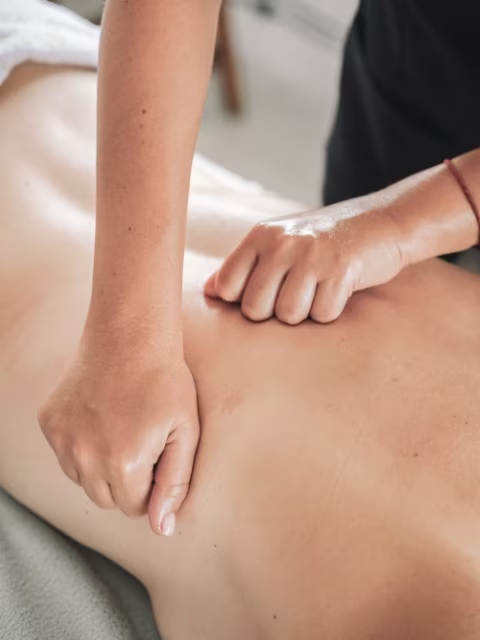
Unlike traditional massages that focus on relaxation, deep tissue massage aims to treat muscle pain and improve stiffness.
The technique involves applying sustained pressure using slow, deep strokes to target the inner layers of your muscles and connective tissues.
This can be particularly effective for long-lasting relief from postpartum upper back pain.
Like many of you, I reached a point where the constant discomfort became unbearable. I felt like I’d been hit by a bus, day in and day out. That’s when I decided to take a more aggressive approach: deep tissue massage.
I wanted a therapist to really dig into those trigger points, even if it made me wince. And let’s be honest, the mere thought of an hour of solitude with soothing Thai music in the background already melt away my stress.
What to Expect
Expect a session to last between 60 to 90 minutes. The therapist will use slow, deliberate strokes, focusing on areas of tension and pain.
It’s normal to feel some discomfort or even slight pain as the therapist works on knots or areas of tightness. However, always communicate with your therapist if you find the pressure too intense.
During my session, I felt a range of sensations, from intense pressure to immense relief, especially when the therapist hit those trigger points and cracked my back at the end. The experience was transformative, to say the least.
Benefits Beyond Relief
The benefits of deep tissue massage go beyond immediate pain relief. It can also improve your blood circulation, reduce inflammation, and enhance your range of motion.
After just one session, I felt like a new person. My back felt lighter, and I could actually feel the blood circulating better. The next morning was the first time in months that I woke up without any back pain.
Finding the Right Therapist
If you decide to give deep tissue massage a try, choosing the right therapist will make a world of difference.
Look for someone with specialised training in deep tissue massage and read the reviews or ask for recommendations from other mums.
Don’t be shy to discuss your specific pain points and preferences with your therapist. Establishing a comfortable and trusting relationship can greatly enhance the effectiveness of your deep tissue massage experience.

Last Notes
Motherhood is a transformative experience, filled with unparalleled joys but also new challenges, but let’s not forget the importance of self-care in this journey. As my partner often says, self-care is non-negotiable.
As we’ve explored, this discomfort can stem from various factors, from hormonal changes to the physical demands of caring for a newborn. While it’s a common issue, it’s not one you have to endure in silence or tackle alone.
For me, deep tissue massages and chiropractor sessions have been a weekly routine. They’re not just about physical relief, but also an opportunity to focus solely on yourself, even if it’s just for an hour.
So, to all the new mums who are navigating the challenges of postpartum life, remember: taking care of yourself is a priority. Because only when YOU are at your best can you take care of the rest of the family.
∞ Kida

If this post has helped you, a cup of coffee is all it takes to make my day. Thanks a latte!

Share the Love!
As always, we aim to provide valuable content to help other families like yours live life to the fullest.
Remember to like, pin and share it with those who matter to you!
If you resonate with us, subscribe to stay in touch and we hope to see you in another chapter.
∞ Kida